Debt has become a commonplace term for most adults. In fact, according to Experian, the average debt for U.S households reached $100,000 in 2023. However, debt doesn’t necessarily refer to poor long term financial health, since it can allow you to buy a home or get a college education. Unfortunately, many people remain a little confused about what consumer debt is and the impact it can have on your financial future.
The Consumer Debt Basics

Consumer debt is a catch all term to refer to debt held by consumers. In simple terms, this means that the debt is held by private individuals rather than businesses or governments. Consumer debt includes a variety of different types of credit offered by banks, online lenders, credit unions and the federal government, but it does not include business credit cards, business lines of credit or loans.
Generally, there are two categories of consumer debt; revolving and non revolving debt. Revolving debt requires variable monthly payments, depending on the current debt balance, while non revolving debt or installment debt has fixed payments over a set term. You can also break down consumer debt as to whether it is secured or unsecured. Unsecured debt does not require any collateral, while secured debt uses an asset such as your home or car. If you don’t repay a secured debt, the lender can seize the asset to recover the outstanding amount.
The Types of Consumer Debt
How consumer debt works, its terms and its potential impact on your overall financial health can depend on the specific product. There are some common forms of consumer debt you should know about.
Mortgages

The most common and largest type of consumer debt is mortgages. A mortgage or home loan is used to purchase a home where the property itself is used as collateral. You will need to have a down payment, as mortgage lenders will lend a maximum amount against the value of the property, usually 20%, but there are some mortgages available with smaller down payments.
A mortgage is an installment loan, where you will have a set number of monthly payments for a specific term, which is typically 15 to 30 years. Since the loan is secured on the property and the lender has the option to repossess the home if you default, the interest rates for mortgages are usually some of the lowest for consumer debt products. You can find ARM or adjustable rate mortgages or fixed rate mortgages. The former has interest rates that can increase or decrease according to changes in the economy, while the latter allows you to lock in a rate for a set amount of time.
Both have their advantages and disadvantages. ARM deals allow you to benefit from positive changes in interest rates, but fixed rate mortgages allow you to more accurately budget, since you know exactly how much you’ll pay each month. You can also claim a tax deduction for the interest you pay on the mortgage on your primary residence, but there are caps to this benefit.
Provided that you make your monthly payments on time, having a mortgage can actually improve your credit profile, as it demonstrates that you are financially responsible. However, if you miss or have late payments on your mortgage account, it can be detrimental to your credit. The lender may also initiate foreclosure, which puts your home at risk of seizure. It is important to note that mortgage debt does not count towards your credit utilization ratio when your credit score is calculated.
Student Loans

As the name suggests, student loans are used for educational expenses and this type of unsecured installment debt can cover tuition, educational materials and even room and board while you’re studying. These loans are offered by both private and federal lenders, and once you graduate or are no longer studying, you will make regular repayments.
According to educational data, over 40 million Americans have federal student loan debt, with an average of $37,000. This type of loan tends to be the first consumer debt consumers are exposed to, and this can be a good way to establish a positive credit history. While they are installment loans, the payment terms tend to be flexible with stable interest rates set by the federal government if you take out a federal student loan.
The loan payments are typically calculated with a 10 year pay off period, but this is not set. So, if you would struggle to afford these payments, your loan servicer may implement an income based repayment plan that allows for lower monthly repayments. If you make these payments on schedule, it can help you to build your credit score. Additionally, the interest paid on your student loan can be tax deductible if you meet the income requirements.
Auto Loans

As the name suggests, auto loans are designed to finance a vehicle purchase. These are secured installment loans with the vehicle serving as collateral that you can obtain through the car dealership associated lender or from a bank or financial institution.
Unfortunately, unlike homes, cars tend to depreciate in value, so you can end up owing more than the value of the vehicle. For example, if you take out a $20,000 loan for a new vehicle over a seven year term, by year three, you will still have more than half the loan to repay, but the vehicle may have a value of less than $10,000. This can cause issues if the vehicle is involved in an accident and is written off by the insurer. For this reason, you may need to also purchase gap insurance that will ensure that the outstanding loan amount is covered.
Some companies offer low or no interest finance deals if you have good credit, but generally, you’ll have a schedule of the loan sum and interest to repay over the specified number of months. This is typically three to six years, but some lenders do offer longer terms. Bear in mind that generally, the longer the term, the lower the rate, but it is important to look at the overall cost of the loan.
Since the vehicle is the collateral for the loan, if you fail to make your scheduled repayments, the lender can repossess the vehicle and sell it to recoup the outstanding debt. This will not only mean that you lose the use of the vehicle, but the default will be logged on your credit report.
Personal Loans

Personal loans are another popular form of consumer debt. Generally, these are unsecured loans that can be used for almost any purpose with a fixed interest rate and a repayment period of up to seven years. Consumers use personal loans to fund a major purchase, consolidate debt, make home improvements or for emergency expenses.
Since personal loans are usually unsecured, lenders assess your credit score, disposable income and your debt to income ratio to assess an application. If you’re approved, you will receive the cash lump sum into your designated bank account and you will start to repay the loan and interest charges with a fixed monthly payment schedule.
As with other types of consumer debt, if you make the repayments on time each month, it can help to build your credit, but late or missed payments can have a detrimental effect.
Credit Cards

Credit cards are a revolving type of debt, which means that there is no fixed repayment schedule and you don’t have to pay the full bill at the end of the month. You can carry a balance and interest is calculated on the outstanding amount.
Although there are some secured credit cards, the vast majority are an unsecured type of debt, so the credit card company will assess your credit to determine if they will approve your application. Fortunately, there are many different credit card options to suit different credit scores and profiles. The cards with the most attractive benefits packages, such as cash back, rewards and perks tend to be reserved for those with good or excellent credit, you can still get a decent rate if you have less than ideal credit.
Some credit card companies also offer cards designed for balance transfers. These provide an alternative to a personal loan, as there is usually an introductory period with a low or zero percent interest rate. This means that you can pay off other card balances using the new card and then pay down the debt without incurring interest for up to 24 months, depending on the specific card’s terms and conditions.
While credit cards are a highly flexible form of credit, they can be detrimental to your financial health. Each month, the credit card company will calculate the minimum amount due for the billing period. While you are not obliged to pay more, it is often a good idea to pay off as much as you can. If you don’t clear the balance every month, you can incur hefty interest charges, which can lead to spiralling debt.
Credit cards can be a good way to build your credit, as a track record of making on time payments every month looks good on your credit report. However, you need to use credit cards responsibly and try to avoid carrying a balance, wherever possible.
Medical Debt
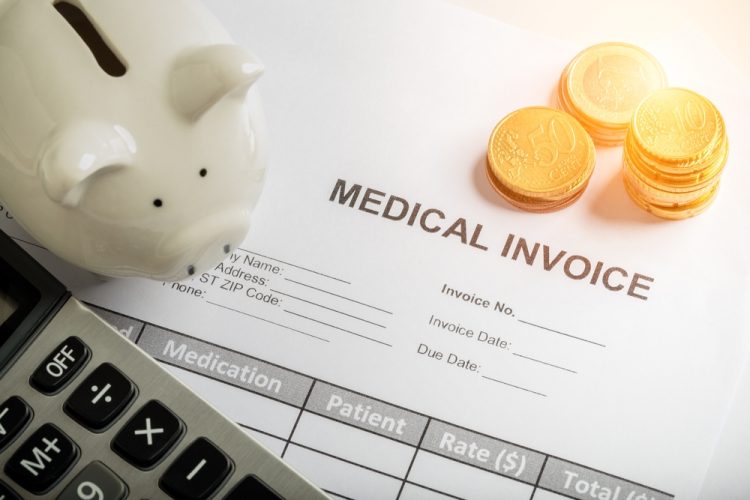
Medical debt is not secured on an asset and typically, it does not have an assigned payment structure. Most healthcare providers and hospitals have billing departments, and if you can’t pay off the full bill immediately, you can often set up a payment plan.
However, given the cost of medical care, this type of debt can involve large sums of money, which can be difficult to manage. In fact, prior to the 2020 pandemic, research shows that 17% had medical debt in collections. In 2022, the three major credit bureaus, Experian, Equifax and TransUnion cooperated to implement a one year waiting period before collection agency reports on medical debt appear on credit reports. The collaboration also included offering consumers more time and options for payment plans or paying down the debt. Additionally, medical debt of more than $500 on your credit report will be removed if you later clear the debt, while debt with an initial balance of under $500 is no longer included on credit reports.
Qualified medical expenses can also have tax implications, with those exceeding 10 percent of your gross adjusted income can be tax deductible.
Payday Loans
This type of short term loan is perhaps one of the most damaging to your credit and long term financial health. These loans are typically for quite small amounts and are designed to be repaid on your next payday, hence the name. However, these fast cash loans are associated with high costs and extremely high interest rates. Typically, a two week loan will involve charges of $15 for every $100, which is a massive 400% APR. So, while it may initially seem reasonable to pay $60 in charges to borrow $400, it is certainly not the most cost effective option.
Generally, payday loans are offered online or through storefront operators, but the account activity is typically not reported to the major credit bureaus, so it is unlikely that having a payday loan will impact your credit score. However, if you have alternative ways to cover an emergency expense, payday loans should always be your last resort.
The Pros and Cons of Consumer Debt
Now you’re aware of the common types of consumer debt, it is important to appreciate that there are both potential benefits and drawbacks that could affect you and your financial health.
The Pros
- Quick Access to Funds: Most forms of consumer debt provide quick access to the funds needed to make a large purchase or cover expenses if you don’t have the necessary money in savings.
- Build Credit: Almost every form of consumer debt activity is reported to the major credit bureaus, which means that it can help you to build your credit report. Having a track record of making payments on time and using the account responsibly can help to improve your credit score.
- Emergency Financial Assistance: Consumer debt can provide you with a financial safety net if you have an unexpected situation or expense. This type of buffer can be reassuring, particularly if you don’t have a great deal of money in savings or have your funds tied up in investments.
The Cons
- Interest Charges: Very few things in life are free and consumer debt is no exception. Having access to the funds does come at a cost and you will need to pay interest charges on the outstanding debt. Depending on the specific product, this can be anywhere from one or two percent to as much as 400%, as with payday loans.
- Risk of Overextension: If you’re not careful about how you use consumer credit products, you could find that you overextend yourself and begin to struggle to manage the monthly financial commitments. This can not only cause financial stress, but could lead you into a debt spiral.
- Potential to Impede Financial Goals: If you have excessive consumer debt, it could impede achieving your long term financial goals. Having a high debt to income ratio could stop you from buying a home or make it difficult to save for retirement.
Tips to Get Out of Consumer Debt
If you are concerned about the levels of your consumer debt, there are a few things that you can do.
Be Debt Aware
The first thing you should do is assess your debts, so you can be aware of your current financial situation. Many people don’t realize the extent of their debt, particularly if they are making their payments each month. However, if you’re not clearing your credit cards each month, you could start to sink further and further into debt.
Make a list of your debts, taking note of the minimum monthly payments, the latest balance and the interest rate. This will help you to think about strategies for effective debt repayment.
Implement a Budget
Many people find the concept of budgeting to be a little daunting and have a mental image of needing to live an excessively frugal lifestyle. Fortunately, this is not the case. Budgeting is just about financial planning to help you achieve your financial goals.
Start off by calculating your average monthly income and typical expenses. You can then get a figure for how much you could pay towards your debt.
When you create your budget, it is a good time to assess areas where you can cut back on non essential spending. When you check your bank and credit card statements, you may be surprised at how much you’re spending. Even small amounts can quickly add up, but that additional money can go towards paying down your debt.
Prioritize Your Debts
If you have multiple forms of consumer debt, you will need to think about which ones are the greatest priority to pay down. There are various strategies to do this. You could focus on paying off the debt with the highest interest rate first or you could prefer to pay off the smallest balances. In either scenario, you will need to continue making your regular repayments, but once you pay off a debt, you can focus on the next priority.
Consult a Professional

If you are feeling overwhelmed by debt, it is a good idea to speak to a professional credit counsellor. There are lots of non profit organizations with advisors who can go through your budget and debts to develop a repayment plan. They can also help you to negotiate with creditors or determine if debt consolidation is a good idea.
Just be sure to choose a reputable organization that is transparent about any fees or charges that will apply if you work with them.