
Achieving long-term weight loss is one of the most common yet challenging health goals. While short-term diets and quick fixes often promise fast results, they rarely address the root causes of weight gain or provide a sustainable path forward. Studies have shown that as many as 80% of individuals who lose weight on a short-term diet regain it within a few years.
For lasting weight-loss success, its essential to focus on making sustainable changes and building healthy habits that integrate seamlessly into your life. These simple lifestyle changes can be made to your diet and activity levels, but also to your mindset and environment for a holistic approach which promotes not just weight loss but overall well-being.
Understanding Long-Term Weight Loss


Achieving and maintaining long-term weight loss is more than an immediate challenge; it’s a lifelong journey. While people can experience initial success with fad diets or extreme calorie restrictions, the reality is that most of these approaches are not sustainable. This highlights the importance of understanding what truly contributes to lasting weight loss.
What is Long-Term Weight Loss Success?
Long-term weight loss success goes beyond the numbers on the scale. It means not only losing weight but also keeping it off while improving your overall health and quality of life. It involves adopting habits which can be maintained and support a healthy lifestyle rather than chasing a specific goal weight. Success can be measured by the ability to sustain these habits over months, years and even a lifetime. This can lead you to a steady improvement in physical, mental, and emotional wellbeing.
Why do Quick Fixes Fail?

It’s no secret that, in order to lose weight, you do need to be in a calorie deficit. However, by cutting calories too low or eliminating entire food groups, you could be doing more harm than good, and taking you further from your weight-loss goals. This is often called crash dieting or yo-yo dieting. Although diets such as these can lead to short-term results, it is often unsustainable and can be harmful to the body.
Metabolic Adaptation
One of the key impacts of crash dieting is a slowed metabolism. Your metabolism is the process responsible for converting the food we eat into energy, and storing any surplus as fat. This energy can be used for physical activity, but is also needed by the body at rest to send blood around the body, digest the food you eat, keep hormone levels even and breathe!
With a crash diet, you consume far less food than normal which can damage your metabolism and slow it down. Your body needs less energy to digest the reduced amount of food and you may also lose muscle, resulting in a lower metabolic rate and therefore less calories being burned at rest. This can lead to tiredness, making physical activity more difficult and further lowering the metabolic rate.
Extreme diets can also change the levels of certain hormones in your blood which can cause your body to store more fat. The body responds to a significant drop in calories by reducing the rate at which it uses them. This means that the body will be more adept at putting on weight when you begin to consume more calories again.
Nutritional Deficiencies
Crash diets can often involve the restriction or elimination of certain food groups, meaning that they deny the body of essential nutrients. Examples include the keto diet plan, which is a high-fat, low-carbohydrate diet which puts the body into an extreme metabolic state, or the Paleo diet where you follow a diet which focuses on whole, unprocessed foods that were likely eaten by our ancestors.
Although these diets may yield short-term weight loss results, they can have multiple negative effects. For example, nutritional deficiencies can lead to fatigue, mood swings, and even long-term health issues such as a weakened immune system and hormonal imbalance. In this way, these diets are not for everyone, and will often be unsustainable.
Rebound Weight Gain
Extremely restrictive diets for short-term weight loss are often called yo-yo diets. This is because often, people get trapped in a cycle of losing and regaining weight due to unsustainable diets. The regained weight can be due to a slowed metabolism or overindulgence following a diet.
Fad Diets and Their Affects
The Role of Lifestyle vs. Diet Alone

The key to long-term success lies in shifting the focus from temporary diets to permanent lifestyle changes. Unlike restrictive diets, a lifestyle approach encompasses all aspects of health, including nutrition, physical activity, sleep, and mental well-being. While a diet might teach you what to eat, a sustainable lifestyle teaches you how to live.
Lifestyle changes work because they are flexible, realistic, and adaptable to individual preferences.
- Instead of cutting out all carbohydrates, you might learn to balance your meals with complex carbs, lean proteins, and healthy fats.
- Instead of spending hours in the gym every day, you can find enjoyable activities that fit into your routine.
By embracing gradual, manageable adjustments, long-term weight loss becomes less about deprivation and more about creating a healthier, happier version of yourself! The next step is to dive into specific habits that can lead to sustainable weight loss success.
Building a Sustainable Eating Plan
Sustainable weight loss will be achieved differently for different people. This is why it’s important to ground your weight loss plan in an understanding of your own body and lifestyle. A sustainable eating plan should be personalized to you and aligned to your unique preferences, daily life and health needs.
Focus on Whole, Nutrient-Dense Foods
A balanced diet involves consuming a variety of nutrients that your body needs to function at its best. Focusing on choosing whole foods over processed ones, eating lean protein and healthy fats, and prioritizing fruits and vegetables. Implementing portion control and maintaining an awareness of your intake of each food group can enable you to make informed choices about what you eat. This approach will ensure that you are not depriving yourself, but finding a healthy balance that nourishes your body, supports weight loss and makes you feel good!
Avoid Extreme Restrictions
A diet which focuses on including nutritious food, rather than one that focuses on cutting out the “bad” stuff, is more likely to be successful for long term weight loss. Restrictive diets can be difficult to stick to and feel like a chore. Including your favorite healthy foods and allowing occasional indulgences will prevent binge eating and make your diet more enjoyable and maintainable.
Meal Planning and Preparation
Meal planning can significantly support sustainable weight loss by promoting consistent healthy eating. It allows for better portion control, reduced impulse eating, saving money on unnecessary food purchases, decreasing stress related to meal decisions, and ensuring a balanced diet with a variety of nutrients across the week.
Mindful Eating
Eating more mindfully is a small change which can make a big difference. It involves being present during meals by eating without distractions, slowing down, identifying emotional eating triggers, and recognizing hunger cues to eat when you need to and stop when you are full. This will help you to develop a deeper awareness of your body’s needs and reduce overeating.
Hydration
Often overlooked as part of a healthy diet, drinking enough water can help to manage hunger, improve digestion and boost energy levels!
Incorporating Regular Physical Activity

Incorporating regular physical activity into your routine is another crucial element of sustainable weight loss. Many people associate exercise with punishing routines or grueling gym sessions which can feel overwhelming and unsustainable. In reality, physical activity can be an enjoyable part of daily life when approached correctly.
Why Exercise Matters Beyond Weight Loss
Increasing your physical activity through exercise is a key part of weight loss as it burns calories. However, it brings many more important benefits beyond the scale.
- It also boosts your metabolism, meaning that you burn more calories, even at rest.
- Exercise builds muscle mass and improves cardiovascular health.
- More widely, it also improves your mood and mental health through the release of endorphins.
- It combats fatigue and improves your stamina, improving your energy levels every day.
Finding Enjoyable Activities
The best exercise regimen is one that you can easily adhere to, so it’s important to choose activities that fit into your lifestyle and that you enjoy. Try exploring many different forms of activity until you find one that suits you best. For example, try dance classes at your local leisure center, nearby walking trails, online yoga tutorials or strength training at the gym. If you genuinely enjoy the activity, it will feel less like work and fit more easily into your life as a sustainable change.
Consistency Over Intensity
When it comes to exercise for weight loss, consistency is key. Regular, moderate exercise is more sustainable and beneficial than extreme regimens which are challenging to maintain. To build this change into your life, make sure that you are doing an activity that you enjoy on a schedule that is realistic and manageable for you. For example, committing to a 10-minute walk after dinner each day will be more impactful than attempting that terrifying “sweat-fest HIIT class” once a fortnight!
Tracking Progress Without Obsession

Maintaining a record of your fitness improvements can help you to stay motivated, but it’s important to avoid becoming overly focused on these numbers. Figures such as calories burned or pounds lost are simplified and unhelpful, instead celebrate non-scale victories that better reflect your overall health and fitness.
- Improved stamina or strength
- Better sleep quality
- Increased energy throughout the day
- Feeling more capable and confident in your body
There are many tools available to help you to track these, such as fitness apps, journals or wearable devices. However, remember to prioritize how you feel over what the numbers are saying!
Incorporating Movement into Everyday Life
Not all physical activity has to be in the form of structured workouts, you can also look for opportunities to add more movement into your daily life.
- Take the stairs
- Park further away from entrances to add in a few extra steps
- Use a standing desk or take short walking breaks during the workday
- Engage in active hobbies like gardening, cleaning, or playing with pets or children.
These are small changes which could add up to support a more active lifestyle without requiring too much effort!
Rest and Recovery are Crucial
As beneficial as regular exercise is, it’s important not to overtrain. Rest and recovery days are equally important, without these you could experience burnout, injury and decreased motivation.
- Schedule dedicated rest days to allow your body to repair and rebuild
- Get sufficient sleep, as it plays a vital role in muscle recovery and energy levels
- Practice active recovery on non-workout days, such as walking, light stretching or yoga
By incorporating regular physical activity into your life in a way that feels enjoyable and sustainable, you’re more likely to stick with it for the long term. Remember, exercise isn’t about perfection or punishing yourself—it’s about finding movement that makes you feel strong, energized, and confident.
Prioritizing Mental and Emotional Health

Sustainable weight loss isn’t just about eating the right foods or exercising regularly—it’s also deeply connected to mental and emotional well-being. Many people struggle with weight loss because they overlook the psychological factors that influence their behaviors. Stress, emotional eating, and lack of self-awareness can undermine even the most well-intentioned plans. To find a path to successful long-term weight loss, this is an important place to start!
Your mental and emotional state plays a significant role in your ability to successfully lose weight and maintain a healthy lifestyle. When you are under stress or feeling overwhelmed for long periods of time, your body produces higher levels of cortisol. This stress hormone can increase cravings for sugary or fatty foods, and change the way your body stores fat.
Additionally, these feelings can lead to behaviors like binge eating, eating a lot of fast food or skipping workouts. To manage this balance between the mind and body, it is important to make choices to promote overall health. When you feel emotionally balanced, you’re more likely to make mindful decisions about food and exercise.
Finding the Source
For many people, their struggle with weight loss has an emotional source. Understanding this can help to begin the journey to successful and sustainable long-term weight loss. To discover what might be behind your struggles with weight loss, you could begin by journaling. By writing down your thoughts and feelings, particularly in relation to food, you can find associations and triggers for emotional eating.
Stress Management Techniques

Managing stress is a key part of maintaining your overall health and promoting successful weight loss. Implementing stress reduction techniques can help break the cycle of emotional eating and support your overall well-being. Consider incorporating some of these practices into your daily life.
- Mindfulness and meditation can be a great way to connect with your body, stay present and reduce stress. Examples include deep breathing or guided meditation.
- Exercise is a proven stress reliever. Physical activities like swimming, yoga, or even walking can boost endorphins, improve your mood and increase your resilience.
- Many people find that journaling, or writing down your thoughts and feelings can help you to process emotions as well as helping to identify triggers for unhealthy behaviors like overeating.
- Managing your time well, setting boundaries and prioritizing what is most important can help to prevent overwhelm and reduce stress.
The Role of Therapy and Support Groups
Sometimes, professional help is necessary to address deeper emotional challenges. Therapy, particularly cognitive behavioral therapy (CBT) can help you to identify negative thought patterns around food and develop healthier coping strategies. For example, CBT may support you in recognizing that eating after a stressful day doesn’t address the root cause of your stress, therefore leading you to look for more effective solutions.
Support groups can also provide encouragement, accountability and social support. By sharing your experiences with others who face similar struggles, you can reduce feelings of isolations and be inspired to stay on track!
Improving Sleep
Sleep is often overlooked in discussions about weight loss, but it’s crucial for both emotional and physical health. Poor sleep can disrupt the hormones which regulate appetite, leading to overeating. Additionally a lack of rest can reduce your likelihood to exercise and increase stress levels, thus making it harder to resist unhealthy eating patterns. To improve your sleep you can stick to a consistent schedule, limit screen-time before bed and create a calming bedtime routine.
Building Self-Compassion
One of the most important aspects of emotional health is cultivating self-compassion. Weight loss journeys are rarely linear and you need to accept that setbacks are probable. Instead of being overly critical of yourself, practice kindness and understanding!
By making lifestyle changes which prioritize your mental and emotional health, you create a stable foundation for sustainable weight loss. When your mind is clear and your emotions are balanced, you’re better equipped to make choices which align with your long-term goals!
Cultivating the Conditions for Success
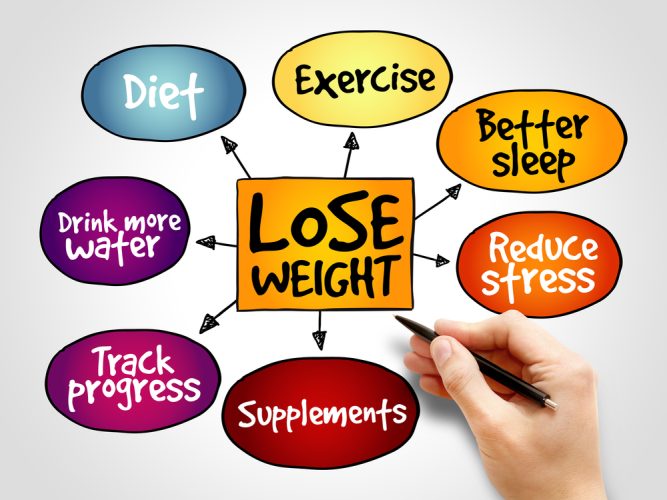
Your environment plays a significant role in shaping your habits and behaviors. If you’re surrounded by temptations, negativity or unrealistic expectations, staying consistent and motivated with your weight loss goals can feel like an uphill battle. Unrealistic expectations create a negative mindset and lead to frustration, thus making it more difficult to achieve your goals. By intentionally creating a supportive environment, and setting manageable goals, you can develop conditions which will make your journey to weight loss success easier!
Setting Realistic and Measurable Goals
Realistic, measurable goals ensure long-term weight loss success. Focus on small, achievable steps, like losing one or two pounds per week or simply drinking more water. Celebrate the non-scale victories, such as improved stamina, better sleep, or reduced stress. Track progress with tools or journals, and remain flexible—goals can shift from weight loss to maintenance or fitness as needs evolve. Small, behavior-focused milestones build confidence and create sustainable habits.
Remember, progress is more than numbers on a scale; it’s about building a healthier, more fulfilling lifestyle over time. Patience and adaptability are the key way for you to stay consistent and achieve lasting success!
Creating a Supportive Environment
Your environment significantly impacts weight loss success. Build a positive support network by sharing goals with uplifting friends, joining fitness communities, or partnering with accountability buddies. Optimize your home by stocking nutritious foods, prepping meals, and designating a workout space. Use tools like fitness apps to track progress, and consider professional guidance from dietitians or trainers. Reduce exposure to negative influences that hinder your progress and set boundaries when needed. A supportive environment and strong social connections make it easier to maintain healthy habits, reduce stress, and stay consistent with your long-term weight loss goals.
By making simple changes to your mindset, environment and priorities, you can set yourself up for successful long-term weight loss.
Beyond the Scale

Achieving long-term weight loss success requires a holistic approach that goes beyond temporary diets or quick fixes. By focusing on sustainable eating habits, incorporating regular physical activity, prioritizing mental and emotional health, and creating a supportive environment, you can build a lifestyle that promotes lasting results.
Remember, weight loss is a journey, not a destination. It’s okay to experience setbacks along the way—what matters is your ability to get back on track and stay consistent. Celebrate progress in all its forms, whether it’s a number on the scale, an increase in energy, or simply feeling better in your own skin.
Most importantly, approach your journey with patience and self-compassion. True success comes from creating habits that enrich your life and support your overall well-being. Take the first step today, whether it’s planning a healthy meal, going for a walk, or reaching out for support. Over time, these small, intentional actions will lead to lasting change and a healthier, happier you.