
In recent years, intermittent fasting (IF) has become a popular dietary approach, with proponents claiming it aids in weight loss, improves metabolic health and can even help you to live healthier for longer. But what is the science behind this eating pattern? And is it the right choice for everyone? It's important to understand what IF is before making a decision.
What is Intermittent Fasting?


Intermittent fasting is a diet which focuses on the timing of when you eat, rather than what you eat. It involves a regular schedule of periods of eating and fasting in a certain way to promote weight loss. There are different approaches to when to fast and when to eat, which are based on different philosophies and studies. It is important to choose the schedule which will align best with you and your lifestyle.
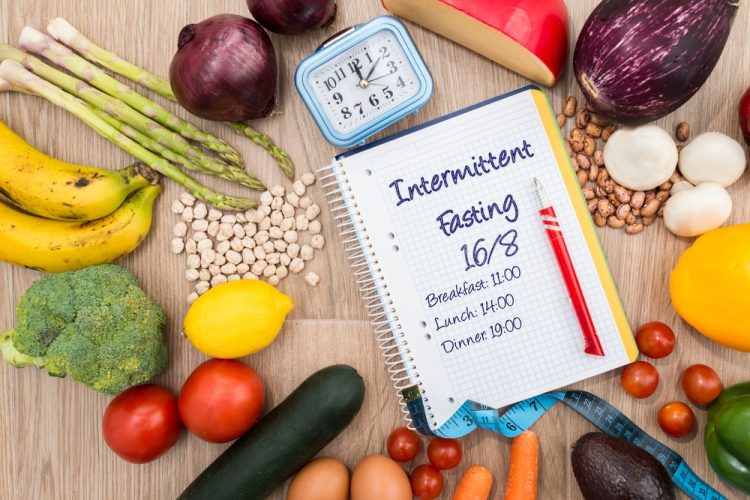
16/8 Method
Eating during an 8-hour window and fasting for the remaining 16 hours each day. Generally, people will eat between 11am – 5pm or 12pm – 6pm, and fast throughout the evening and morning.
5:2 Method
This involves consuming a normal diet for five days out of the week, and restricting your calorie intake to 500-600 calories on the other two days. An example would be that you choose to eat normally on every day of the week except Mondays and Thursday when you will only eat one small meal.
Eat-Stop-Eat
Fasting for 24 hours once or twice each week.
Alternate-Day Fasting
Alternating between days of regular eating and days of either fasting or severe calorie restriction.
Warrior Diet
This includes eating small amounts of raw fruits and vegetables during the day and consuming one large meal at night.
These diets vary in intensity and feasibility, but all rely on the same principles of periodic fasting. Generally, during the times when you are not eating, water and zero-calorie drinks like black coffee and tea are permitted. In “normal eating” periods, you shouldn’t be eating to excess. These diets will be most beneficial if paired with a healthy and nutritious approach to food.
The Science behind Intermittent Fasting
Intermittent fasting impacts the body on multiple levels, engaging metabolic and cellular processes that can improve health and promote weight loss. Broadly, IF works by prolonging the period when your body has burned through consumed calories and so begins burning fat. There are a few scientific mechanisms at play here.
Changes in Hormone Levels
Fasting triggers significant changes in the levels of several hormones which are influential in energy metabolism and fat storage.
Insulin
Insulin is one of the main hormones involved in fat metabolism, it tells your body to store fat and stops your body from breaking fat down. When you eat, insulin levels rise to help store glucose. Fasting lowers insulin levels significantly, which promotes fat burning by making stored fat more accessible.
Having chronically high levels of insulin has been linked to health conditions such as type 2 diabetes and heart disease, it can also make it much harder to lose weight. Following an IF diet has been found to be effective in lowering your insulin levels over time.
Human Growth Hormone (HGH)
Your blood level of HGH can increase dramatically during fasting. As much as five times higher than usual, the increased presence of this hormone promotes fat burning, muscle growth and cell repair.
Norepinephrine
Fasting increases norepinephrine levels. This is a stress hormone that increases alertness and attention, but also tells your body’s fat cells to release fatty acids. Therefore, increases in this hormone due to fasting leads to more fat being available for the body to burn.
These hormonal shifts optimize the body for fat-burning and energy conservation, making intermittent fasting an effective tool for weight management.
Cellular Repair and Autophagy
One of the most intriguing benefits of fasting is autophagy, a process by which cells clean out damaged components. When the body is in a fasting state, cells remove dysfunctional proteins and organelles, which can reduce the risk of diseases like cancer, neurodegeneration, and heart disease. Autophagy also contributes to cellular rejuvenation, where old cells are replaced with new ones, which can even have the potential to slow aging!
Metabolic Changes
Intermittent fasting alters metabolic pathways, and in short periods, fasting can boost metabolism by up to 14%. It works in multiple different ways.
Ketosis
Prolonged fasting pushes the body to burn fat instead of glucose to create energy. This process produces ketones, which are an efficient energy source for the brain and body.
Improved Insulin Sensitivity
Regular fasting can increase insulin sensitivity, reducing the risk of type 2 diabetes and other conditions, and making it easier to lose weight.
Reduced Inflammation
Studies have shown that fasting lowers markers of inflammation which is linked to many chronic diseases.
Effects on Brain Health

Intermittent fasting doesn’t only benefit the body; it also has a profound impact on brain health and therefore helps to prevent cognitive decline. Research suggests that fasting can have a few brain benefits.
- Increases brain-derived neurotrophic factor (BDNF), a protein that supports brain health, learning, and memory.
- Can increase the growth of new nerve cells which may be beneficial for brain function.
- Protects against neurodegenerative diseases like Alzheimer’s and Parkinson’s.
- Reduces oxidative stress, a key factor in cognitive decline.
Weight Loss
The calorie deficit created during fasting periods is a primary driver of weight loss. However, IF may also be more sustainable than traditional calorie restriction because it simplifies eating patterns and can reduce cravings by stabilizing blood sugar levels.
Potential Benefits of Intermittent Fasting

So, this is how intermittent fasting works. But what does that mean for you? Based on the mechanisms outlined above, IF offers several potential benefits.
Improved Metabolic Health
IF can lower blood sugar levels, improve cholesterol profiles and enhance overall metabolic function. This can make it a healthy way to lose weight, reduce your risk of disease and increase your lifespan.
Weight Management
Many people find that the routine of intermittent fasting can be easier to stick to than tough calorie counting diets. It can also be a more manageable habit change which people can incorporate into their life going forward. This means that many are more able to lose weight effectively and sustainably.
Heart Health
IF has been found to reduce risk factors for heart disease, such as inflammation, high blood pressure and harmful cholesterol levels.
Longevity
Animal studies suggest that IF can extend the lifespan. The reduction in oxidative stress, enhanced cellular repair and adapted metabolism all contribute to a reduced risk of cancer, and many other chronic diseases.
Enhanced Cognitive Function
The increased in BDNF and reduction in oxidative stress may improve brain function, health and resilience.
Is Intermittent Fasting Right for You?

While the benefits of IF may sound tempting, it’s not suitable for everyone. Here’s how to determine whether this approach might align with your wants and needs.
Weight Loss
If losing weight is your primary driver, intermittent fasting can be a very effective option for you. It has been found to be a better approach to weight loss than severe calorie restriction diets.
However, for sustainable weight loss, it is important to maintain mindful eating during the non-fasting windows. Overindulgence can negate the benefits of fasting!
Health Optimization
If you are looking to improve your overall health, reduce inflammation, and enhance your metabolic and cognitive function, then IF may be a great way forward for you.
Fitness and Performance
Athletes or highly active individuals can benefit from IF, but need to be careful in the approach to IF that they use. It is important to structure your fasting schedule to support your energy needs so that your body is fueled throughout your day.
Your Lifestyle
Intermittent fasting is most effective when it fits seamlessly into your daily routine. Different approaches and schedules for fasting will work better for different people based on their lifestyle. For example, the 16/8 method may align well with your typical work schedule, while a more rigorous fasting pattern would disrupt all those social events and work meetings.
Health Conditions
IF can have significant impacts on the body’s processes, so it should always be approached carefully and mindfully. If you have any health conditions, the advice of your healthcare provider will be very beneficial.
Pregnant or Breastfeeding Women
Nutritional needs are heightened during these periods so fasting is not recommended.
Individuals with Eating Disorders
Fasting can exacerbate disordered eating patterns.
People with Diabetes or on Certain Medications
Those with conditions or medications that affect their blood sugar levels should consult a doctor before approaching IF.
Underweight People
IF may lead to further weight loss which can be harmful to individuals who are already underweight.
Adaptation Period
When you first begin intermittent fasting it can be extremely challenging. You will likely experience hunger, irritability and tiredness as your body adjusts to your new eating schedule. You could start with a less restrictive method and gradually increase the periods of fasting to ease your transition to IF. Take it one step at a time for best results!
Myths and Misconceptions About Intermittent Fasting

As with any health trend, intermittent fasting is surrounded by myths. Let’s debunk some of these.
“Skipping breakfast makes you fat”
You’ll have heard the saying that breakfast is the most important meal of the day. Commonly, people believe that skipping breakfast leads to excessive hunger, cravings throughout the day and weight gain. However, a study of overweight adults found no significant difference between those who ate breakfast and those who didn’t. It’s important to pay attention to what your body needs, a meal first thing in the morning might be beneficial for some people, and unimportant for others.
“Fasting slows your metabolism”
Moderate fasting does not slow metabolism, in fact, short-term fasting has been found to increase metabolic rate. However, prolonged or extreme calorie restriction might have the opposite effect as your body goes into “starvation mode” and slows the burning of fat.
“You can eat whatever you want during eating windows”
While IF doesn’t dictate food choices, eating nutrient-dense, balanced meals is the way forward to maximize the benefits.
“Fasting causes muscle loss”
Some people believe that when you fast, your body starts burning muscle as fuel. However, studies have shown that this happens no more severely than with any other form of calorie restriction. In fact, IF is popular among many bodybuilders who find that it helps them to maintain muscle alongside a low body fat percentage.
Practical Tips for Success

If you are considering intermittent fasting, here are some tips to help you find a balance that works for you.
Start Slowly
Begin with a 12-hour fasting window and gradually increase the duration.
Stay Hydrated
Drinking water, herbal tea, or black coffee can help curb hunger during fasting periods.
Prioritize Nutrition
Focus on whole, nutrient-rich foods to support energy and overall health.
Plan Ahead
Schedule your eating windows around work, social activities, and workouts for convenience.
Listen to Your Body
This is an important one. If you feel unwell or excessively fatigued, adjust your fasting pattern or consult a healthcare provider.
Intermittent Fasting vs Other Diets

When it comes to dietary approaches, IF stands out because it focuses on when you eat, rather than what you eat. This unique feature offers distinct advantages and challenges compared to other diets. Here’s how intermittent fasting stacks up against some well-known dietary approaches.
Calorie-Counting
Traditional calorie restriction diets require meticulous tracking of your intake and expenditure of calories each day. While this is a straightforward and effective method of weight-loss for some, it demands significant time and effort, which can be unsustainable.
IF eliminates the need for constant calorie tracking and naturally reduces intake by limiting the eating window, making adherence simpler. Fasting also has additional health benefits on top of weight-loss, which calorie restriction alone may not have. However, as IF does not inherently guide food choices, overindulgence during eating periods may be tempting.
Low-Carb and Ketogenic Diets
Low-carb diets including the ketogenic (keto) diet, emphasize reducing carbohydrate intake to promote fat burning and ketosis. Both keto and IF share the metabolic mechanism of ketosis but through different approaches.
IF does not require specific macronutrient tracking or eliminate entire food groups, allowing for more flexibility in your diet. Although, for individuals seeking long-term ketosis for health benefits, IF may be inferior to a strict keto diet as it only achieves ketosis periodically.
Mediterranean Diet
The Mediterranean diet emphasizes whole foods like fruits, vegetables, lean proteins and healthy fats. It maintains a focus on moderation and variety rather than restriction, meaning it has many benefits in promoting heart health and being a sustainable diet option.
IF can be successfully combined with the Mediterranean diet to amplify the health benefits of both approaches.
Paleo Diet
The paleo diet focuses on eating whole, unprocessed foods that mimic the diet of our hunter-gatherer ancestors. This includes lean meats, fruits, vegetables, nuts and seeds and excludes processed foods, grains and dairy.
Again, IF allows for more flexibility in your diet than the paleo diet, removing the need to avoid certain food groups. It can also be effectively combined to mirror the eating patterns of our ancestors who would have naturally alternated between feasting and fasting. On the other hand, the paleo diet emphasizes food quality and encourages nutritional balance which may make it healthier for some people than IF alone.
Plant-Based Diet
Plant-based diets, including vegetarianism and veganism, prioritize plant-derived foods while limiting or excluding animal products. These diets are associated with many health benefits such as lower cholesterol, reduced risk of chronic disease, and environmental sustainability.
Combining IF and plant-based eating patterns can allow for the benefits of fasting and the nutrient density of plant-based foods.
Many dietary approaches focus on specific rules or restrictions by eliminating or restricting food groups, or counting calories. IF on the other hand is highly adaptable and can complement almost any dietary preference or lifestyle. This, along with its simplicity, makes IF a more sustainable choice for many people.
The Future of Intermittent Fasting Research

While the current evidence is promising, more long-term, large-scale studies are needed to fully understand the benefits and risks of intermittent fasting. Ongoing research is exploring a couple of things.
- The role of fasting in cancer prevention and treatment.
- Effects of IF on the microbiome.
- How fasting influences aging at the cellular level.
- The impact of fasting on cognitive decline.
Is Intermittent Fasting Right for You?
Intermittent fasting is a scientifically-backed eating pattern with a great deal of potential benefits. Fasting regularly for certain periods of time has been found to regulate your hormones, enhance cell repair and boost your metabolism. This can lead to dramatic improvements in your health and wellbeing ranging from weight loss to brain function and lowered risk of disease.
However, it’s not a one-size-fits-all solution. Understanding your goals, lifestyle, and health status is essential before adopting this approach. As with any dietary change, consulting a healthcare provider can help ensure intermittent fasting is safe and effective for you.
By considering the science and tailoring the approach to your individual needs, intermittent fasting can be a powerful tool for improving your health and helping you to feel your best!