
Thinking about upgrading your bathroom but worried about the cost? For many seniors across the U.S., remodeling a bathroom isn’t just about luxury—it’s about safety, comfort, and maintaining independence. Fortunately, there are smart ways to make these updates without breaking the bank. It's important to understand your options so you can save money and get the bathroom of your dreams.
Why Seniors Remodel Their Bathrooms
As we age, our bathroom needs change.
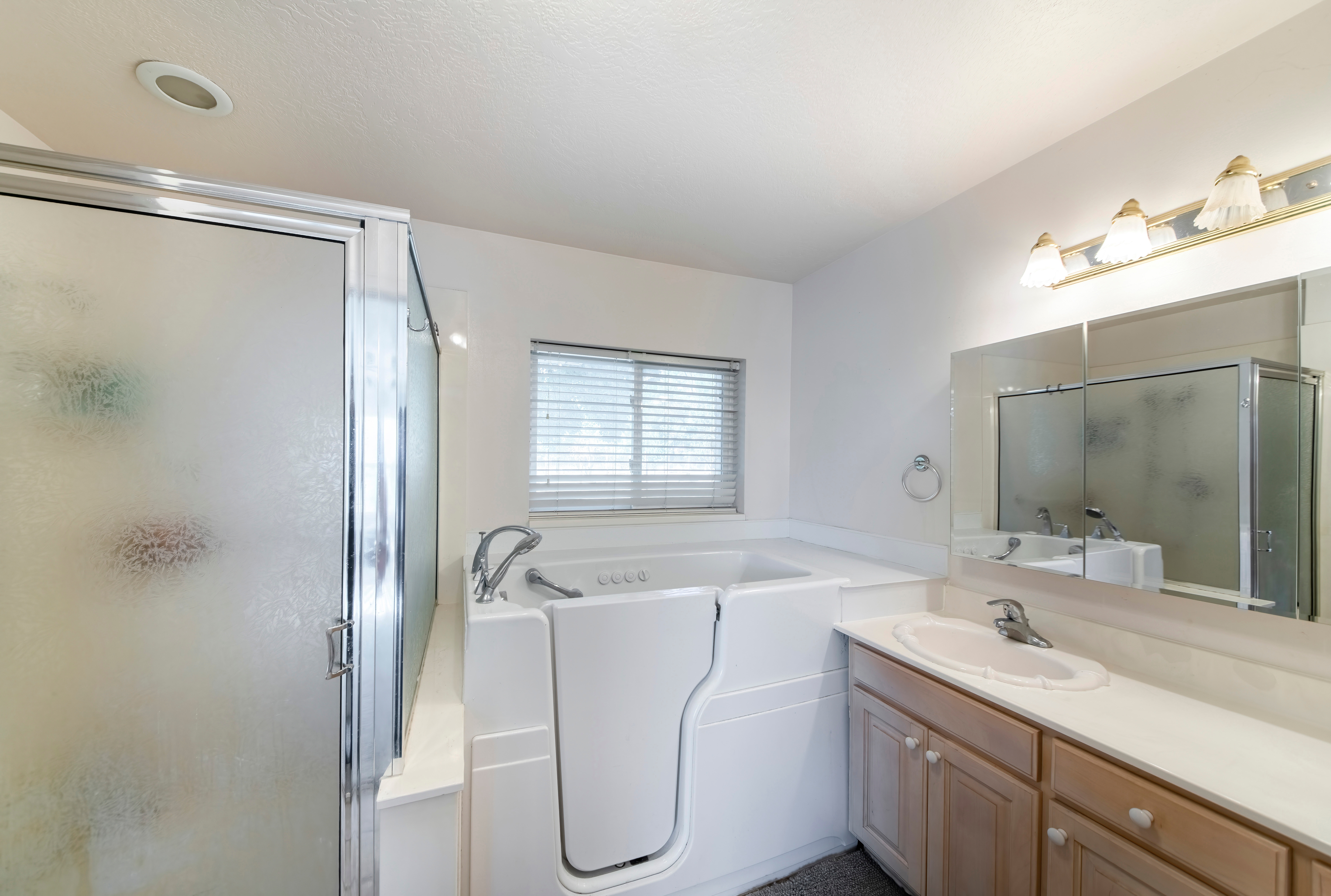
Common Reasons for Remodeling
- Improving safety with features like grab bars and walk-in tubs
- Updating old plumbing or fixtures
- Enhancing accessibility with wider doorways or barrier-free showers
- Boosting home value
While these upgrades can be pricey, there are ways to manage or reduce the overall expense.
Smart Ways Seniors Can Save on Bathroom Remodeling
Tap Into Senior-Specific Discounts
Many home improvement companies offer senior discounts, especially on installation services or fixtures like walk-in tubs and grab bars. Always ask contractors or showrooms if they have special pricing for seniors.
Focus on High-Impact, Low-Cost Changes
Not every remodel requires a full gut renovation. Seniors can save by focusing on key things.
- Replacing outdated fixtures with water-efficient ones
- Repainting walls for a fresh look
- Installing non-slip flooring over existing tiles
- Adding lighting for better visibility and safety
These changes can dramatically improve your bathroom’s look and functionality without a high price tag.
Seek Out Grants and Assistance Programs
Medicaid Home Modification Waivers
In some states, Medicaid offers home modification programs to help seniors remain at home safely. These may cover part or all of the cost of safety upgrades like grab bars, walk-in showers, and more.
Veterans Benefits
If you're a veteran, the VA offers programs such as the Home Improvements and Structural Alterations (HISA) grant to help fund medically necessary bathroom upgrades.
Local and State Programs
Many cities and states have aging-in-place initiatives or low-income senior assistance programs that provide grants or zero-interest loans for home improvements. Check with your local Area Agency on Aging for options in your area.
Choose Cost-Effective Alternatives
Walk-In Tub vs. Walk-In Shower
Walk-in tubs can be costly and may not always be necessary. In some cases, a walk-in shower with a bench seat and handheld sprayer may be more practical and affordable.
Prefabricated Units
Instead of custom-built showers or vanities, consider prefabricated models that are quicker to install and significantly less expensive.
Vinyl Instead of Tile
Luxury vinyl flooring is durable, slip-resistant, and much more affordable than tile. It’s also easier to install and maintain.
Compare Contractors and Get Multiple Estimates
Don’t settle for the first quote you get. Collect at least three estimates from licensed and insured contractors who specialize in senior-safe bathroom remodels. Comparing bids can save you hundreds—if not thousands—of dollars.
Consider Financing or Payment Plans
Many remodeling companies offer financing with little or no interest if paid within a certain period. Some nonprofit organizations also partner with lenders to provide affordable home improvement loans specifically for seniors.
Use Tax Deductions If Applicable
If the remodel is for medical purposes—like improving mobility or reducing fall risk—part of the cost may be tax-deductible. Consult a tax professional to see if your bathroom upgrade qualifies.
Work With Occupational Therapists or Aging-in-Place Specialists
For seniors making safety-related updates, working with a certified aging-in-place specialist (CAPS) or an occupational therapist can ensure the remodel addresses all your needs efficiently. Their input can help you avoid costly mistakes and unnecessary upgrades.
Upgrade Your Bathroom On A Budget
Bathroom upgrades can significantly improve a senior’s safety, comfort, and quality of life—but they don’t have to be expensive. By seeking out financial assistance, making smart design choices, and comparing contractor bids, U.S. seniors can save money and still get the bathroom they need.